






Why Learning the Mother Tongue Is Vital for the Development and Future of Immigrant Children
When families immigrate to another country, one of their biggest concerns is how to handle their children’s “mother tongue.” Does speaking the native language get in the way of learning a second language?
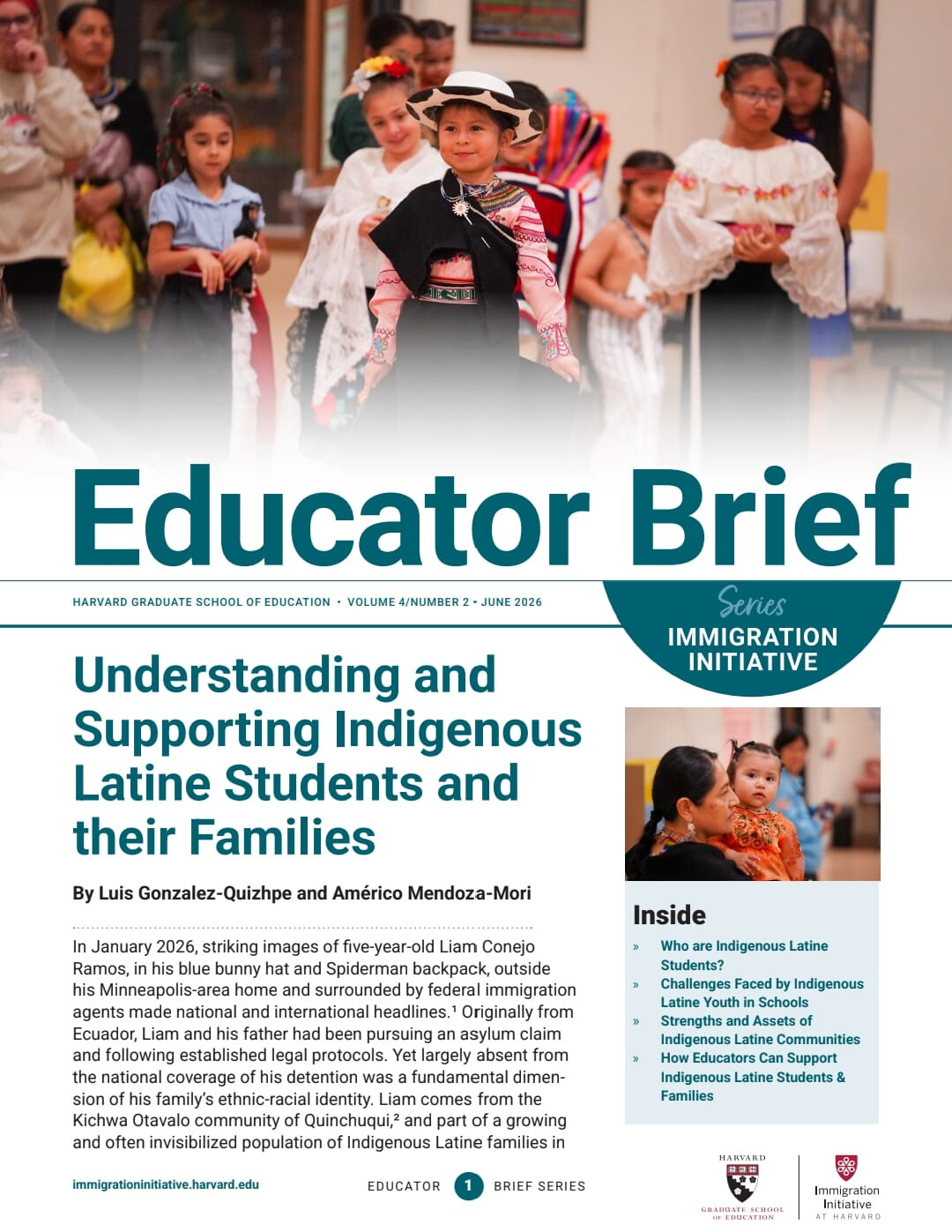 Source: Harvard Graduate School of Education — Immigration Initiative
According to a report published by Harvard University, preserving the mother tongue is not an obstacle at all — rather, it is one of the greatest cognitive and emotional assets for immigrant children.
Summary of Key Findings from the Harvard Report:
- Strengthening Identity and Mental Health: Preserving the mother tongue maintains a child’s emotional connection to their family and original culture, strengthening their sense of identity and self-confidence.
- Boosting Cognitive Power and Learning: Children who keep both languages active show stronger problem-solving skills, critical thinking, and mental flexibility.
- Supporting Second-Language Learning: A strong foundation in the mother tongue makes it easier to grasp complex concepts and actually speeds up learning the language of the host country.
- The Role of Teachers and Parents: Teachers should support children’s bilingualism, and parents should be encouraged to speak with their children at home in their rich, native language.
 From left: A. Hübner (City of Munich), F. Kinugawa-Klühspies, E. Herter, S. Thiel, K. Wagenlehner, M. R. Bagheri, C. Kruse, K. Jakob (SHZ). Photo: SHZ / City of Munich

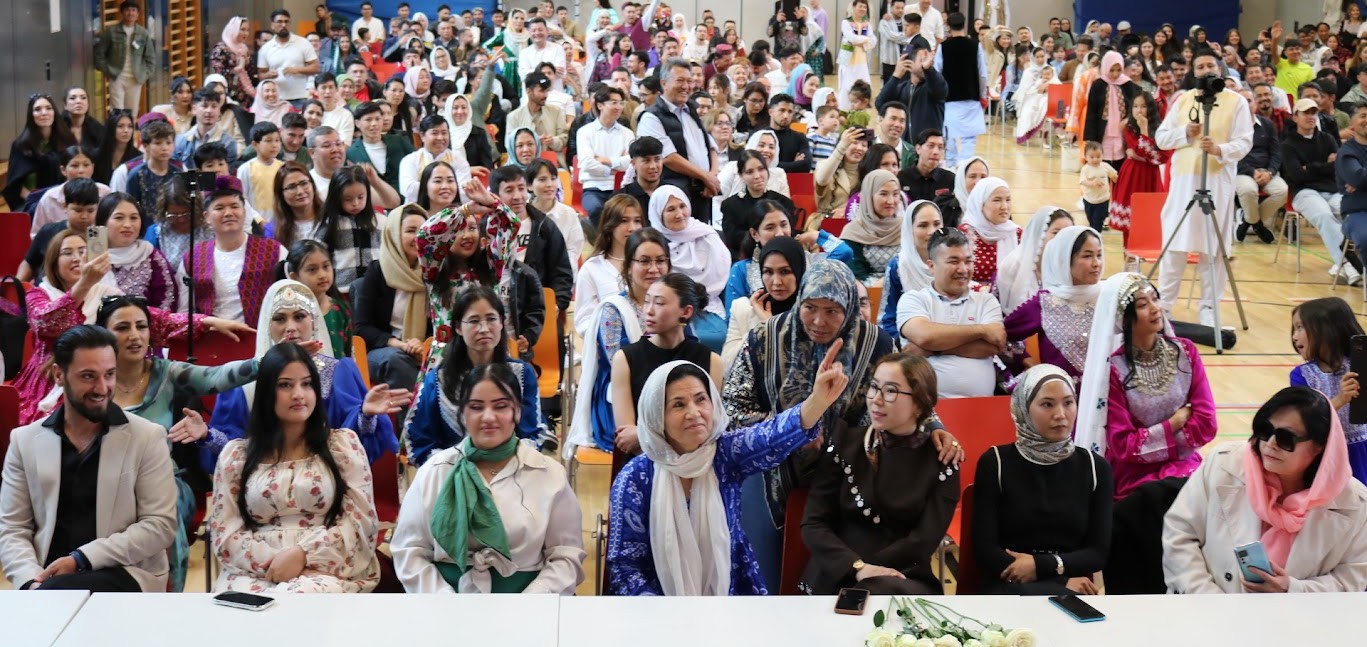
 Foto: Fazeli Photography